



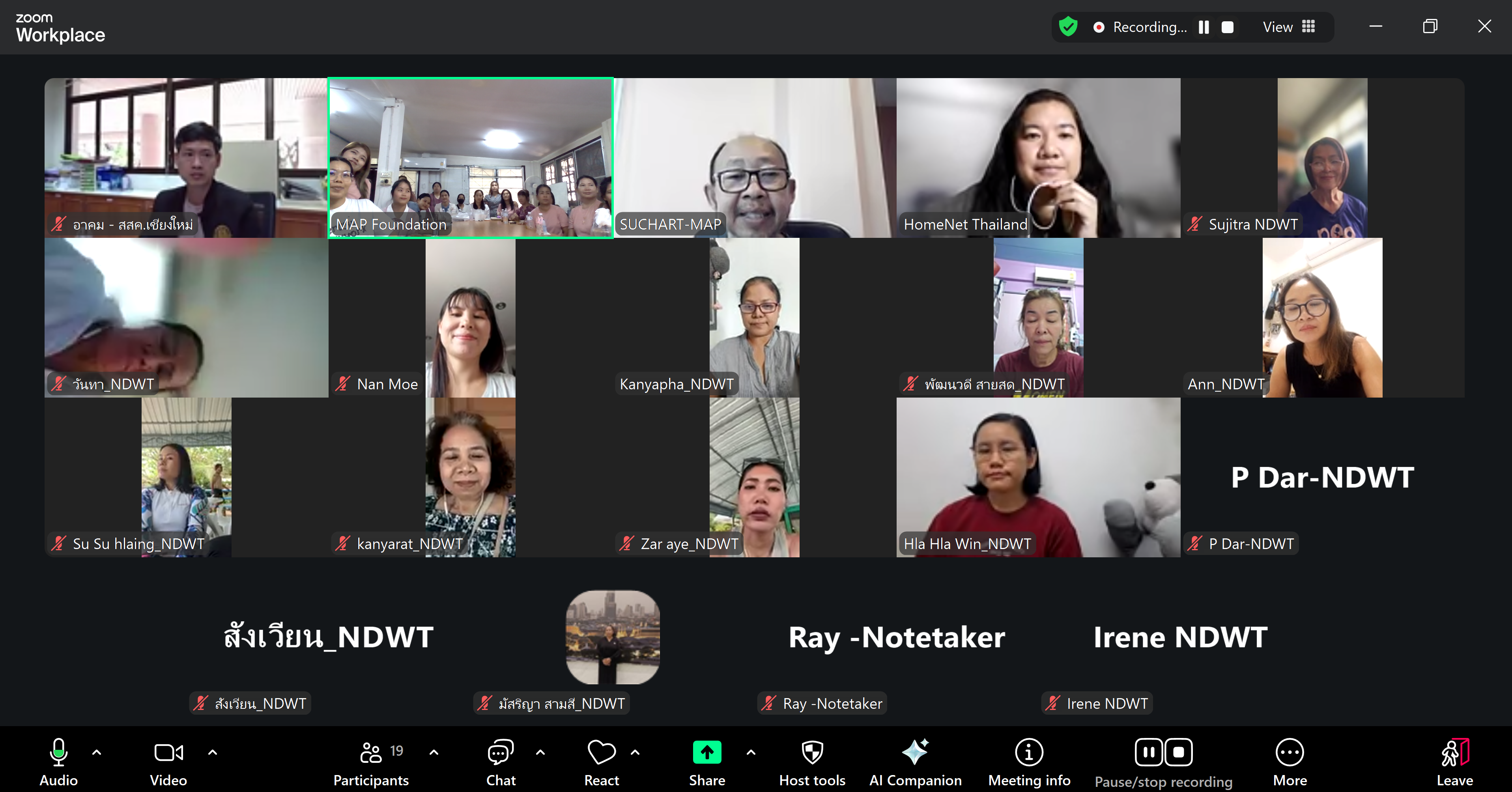
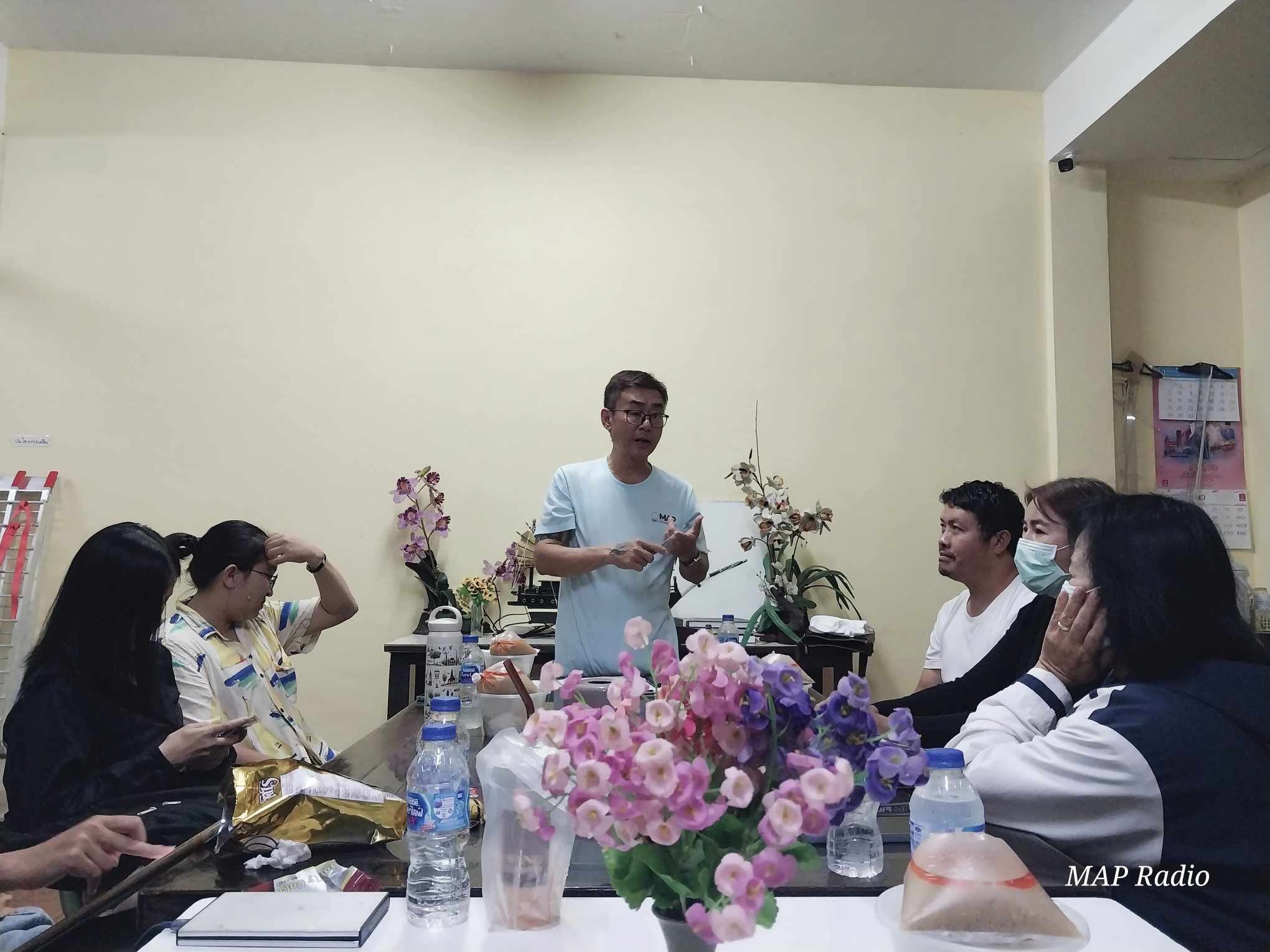
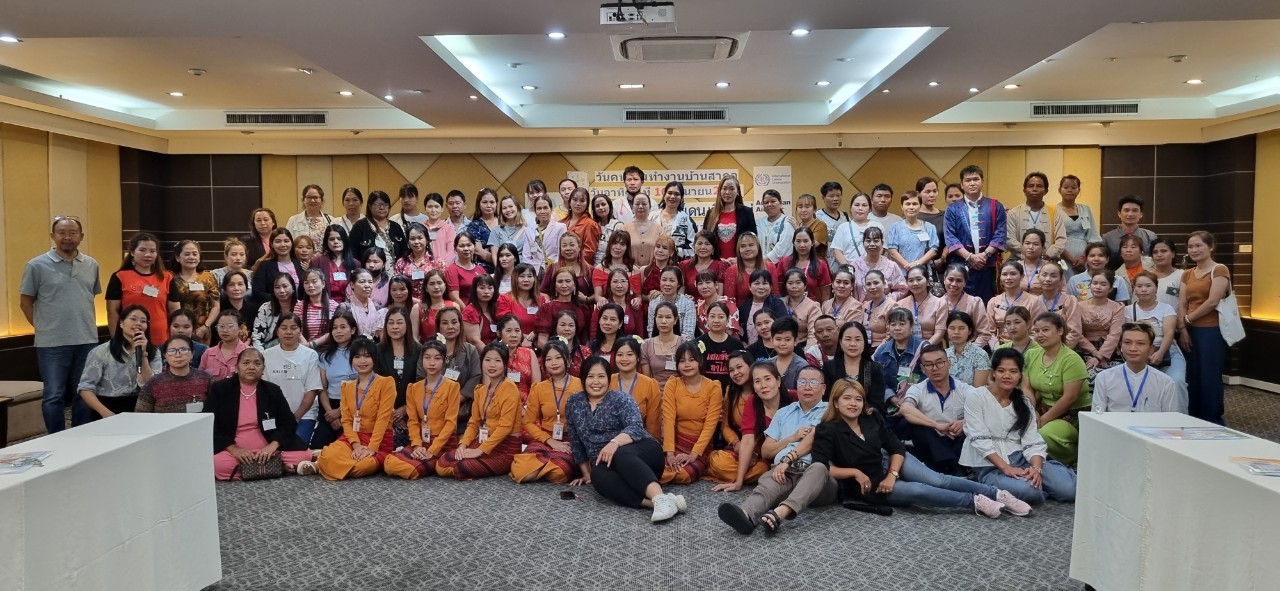

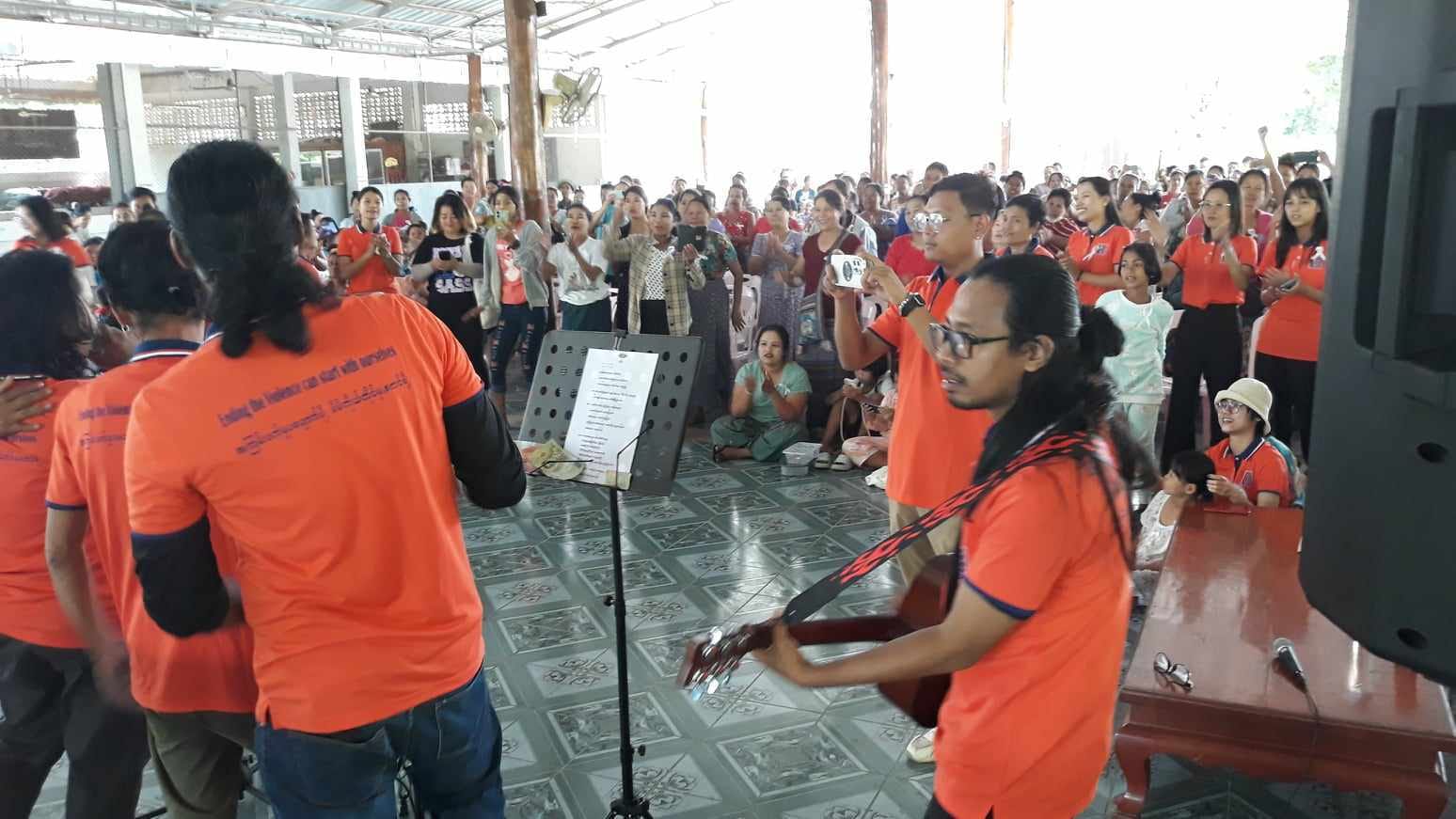
On March 22, the MAP Foundation (Migrant Assistance Program) hosted an online exchange forum to brainstorm and discuss the current situation regarding the enforcement of "Ministerial Regulation No. 15," An important law that protects the rights of domestic workers.
The forum revealed a concerning reality: most workers still lack access to their rights, and many employers remain unaware that the law is in effect.
The Discussion Reflects a Problem: The Law Exists, but Not Applied.
The forum brought together representatives from the Chiang Mai Provincial Office of Labour Protection and Welfare, Foundation for Labour and Employment Promotion, Network of Domestic Workers in Thailand (NDWT), and the MAP Foundation, as well as domestic worker groups in Chiang Mai. They highlighted key points that have emerged in Bangkok and Chiang Mai:
- Communication Gaps: Domestic workers who live with their employers (Live-in) are often cut off from information. Consequently, employers continue to follow old hiring standards, unaware that the law has been updated to provide better protection for employees.
- Rights Out of Reach: Although Ministerial Regulation No. 15 clearly outlines basic rights, many workers do not receive them in practice—such as weekly rest days, sick leave, maternity leave, or payment according to the legal minimum wage.
- Barriers for Migrant Workers: Ethnic groups, in particular, face language barriers and difficulties accessing government complaints systems.
"We found that private business owners who also hire domestic workers generally lack an understanding of what this regulation is and why they must comply with it. This is a major challenge that the government agencies must address through proactive public relations" shared a worker representative during the meeting.
Proposals for Action:
At the conclusion of the forum, several proposals were made to the Chiang Mai Provincial Office of Labour Protection and Welfare to be forwarded to the Ministry level:
- Direct Communication: Distribute documents clarifying the rights and duties of both employees and employers to reach all employers who hired domestic workers.
- Employer Training: Organize training sessions for employers by coordinating data with the Department of Employment and the Social Security Office. Following training, there should be comprehensive follow-up inspections.
- Registration: Establish a formal registration system for all employers who hire domestic workers.
- Legal Updates: Updates Ministerial Regulation No. 15, regarding maternity leave to match the general Labour Protection Act, which has increased the benefit to 120 days.
 +66 53 328 134
  map@mapfoundationcm.org
 9/34 Moo 1 Ing Doi Village Liab Klong Chonprathan Road, Chang Phueak Subdistrict, Mueang District, Chiang Mai 50300 THAILAND